Table Of Content

Amanda Rose Newton is a pest specialist and horticulture expert, reviewing pest control and gardening content for The Spruce's Cleaning and Gardening Review Board. Her passion for pest control and sustainable gardening allows her to review plant and pest content for best practices and accuracy. She is a board-certified entomologist and volunteers for USAIDs Farmer to Farmer program.
Bleach Drains
If you’ve got soil bugs, then spray the soil so that the top two inches (5 cm) of soil are moist. If houseplants are the source of your gnat issue, kill off any larvae in the soil of your houseplants by digging down 2 to 3 inches and turning the top of the soil over. Place 1 to 2 inches of sand on top of the soil to discourage standing water and deter gnats from laying eggs.
Soap and vinegar
Plus, fungus gnats are attracted to compost and even dead foliage. According to Hodges, gnats are also attracted to damp soil, so it’s important to properly store potting soil in a dry, sheltered area away from sun and moisture before and during use. Fungus gnats, also called soil gnats, are small flying bugs that are the bugbear of anyone who has houseplants. The tiny flying pests lay their eggs in the potting soil where they hatch into larvae. The gnat larvae thrive in damp soil and can quickly harm the roots of young plants. You may notice these bugs in your houseplant soil or they may fly around your plants.
Greenkeeper Sticky Traps
An Expert Guide on How to Get Rid of Gnats Inside Your House - Good Housekeeping
An Expert Guide on How to Get Rid of Gnats Inside Your House.
Posted: Mon, 15 Apr 2024 07:00:00 GMT [source]
These tiny flying insects measure between 0.08” and 0.3” (2 – 8 mm) long. Gnat larvae feed on fungus in potting soil where they can affect the health of young plants or weak plants. So, getting rid of these bugs from houseplants is a top priority. Even if there’s no food present in your bathroom, flies and gnats may be attracted to this space because of its warmth and moisture buildup.
Light a candle.
We’ll also give our recommendations for the top pest control companies in case DIY methods prove insufficient. There's really no solution more trustworthy—or oddly satisfying—than fly paper, which simply catches flying bugs on its sticky surface. You can either hang "ribbon fly paper" from areas in your home that get a lot of gnat traffic or try window fly paper, which will cover an entire window in an adhesive sheet. Experts recommend trying natural remedies first to remove gnats from your house plants. Natural remedies are eco-friendly and pose no health risks to humans or pets.
How to Get Rid of Fruit Flies: 5 DIY Traps
You may not be able to cut into a wall of a historical building, preventing access for the beekeeper. Given that lush yards and flower beds will attract bees, you can’t banish bees off your property without making it unpleasant for yourself, too. “They are part of our world, and most of the time, we can cohabitate very nicely,” Frank said. Bridget Reed Morawski is a contributing writer for USA TODAY Homefront. She most often covers energy, environment, sustainable design and travel.
Neem oil to eliminate houseplant flies —This oil is a natural insecticide that disrupts the fungus gnats’ hormones. You can use neem oil as both a soil flush and an organic insecticidal homemade spray. Both are attracted to decaying or decomposing organic matter, though fruit flies are more likely to be hovering around your fruit bowl, while gnats prefer potted plants. For fruit flies, the easiest DIY option is a vinegar trap, which is simple and cost-effective to create. Simply place a few tablespoons of apple cider vinegar or white vinegar, a few drops of dish soap, and a tablespoon of sugar in a bowl and stir.
Tips and Tricks to Banish Fruit Flies From Your Kitchen Permanently - CNET
Tips and Tricks to Banish Fruit Flies From Your Kitchen Permanently.
Posted: Wed, 24 Apr 2024 11:15:00 GMT [source]
Mulching—A layer of mulch on plant pot soil can help to prevent females from laying eggs. Just remember that mulch locks in moisture, so always check soil dampness levels before watering. As soon as you spot tiny gnats flying around your plants, you need to act quickly. While some pesticides can quickly kill off gnats, you probably don’t want potentially dangerous chemicals in your home. If the soil in or around your home tends to be overly moist, try letting it dry out more between waterings to discourage gnats and other pests from being attracted to it. Found throughout North America, fungus gnats, part of the Mycetophila genus, are typically the culprits for indoor gnat issues.
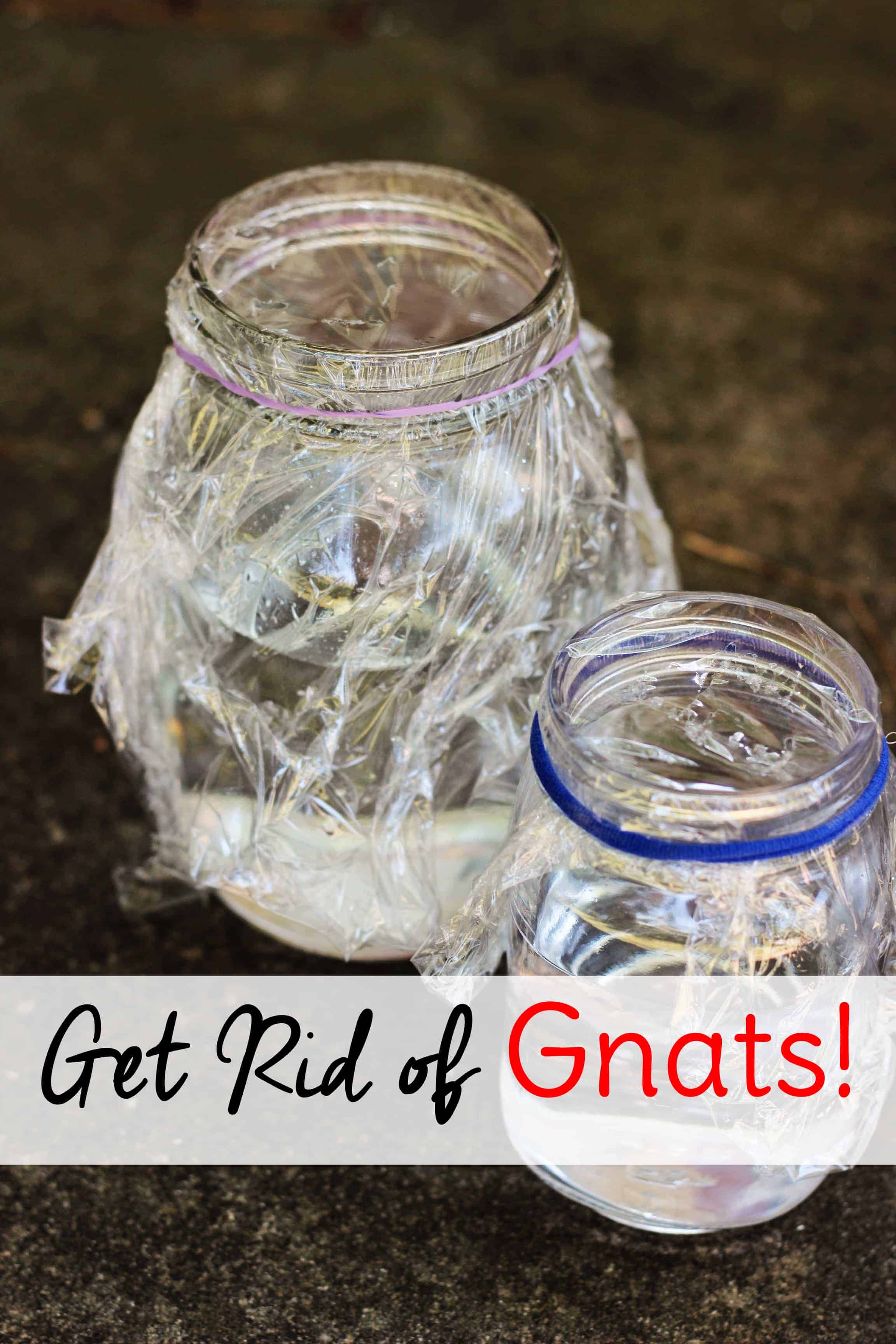
Masontops Trap Caps - 4 Count
Gnats and small flies that appear inside homes are drawn to rotting organic matter, which they use for both a feeding and breeding site. You will want to address as many of these sources as you can to get rid of them. Even a leaky pipe causing minimal mold or wood rot can provide gnats and other pests with food and water sources. If you can't find the source of your issue but know it must be somewhere, think outside the box to determine where it could be. Light traps can be installed inside and outside to discourage gnats. Interior light traps will help keep inside gnats and other nuisance pest populations manageable.
Choose one that’s maybe a bit smaller and less obtrusive than others, and pick one that is suitable for indoor use, like our top indoor pick from Aspectek. Pour wine that’s past its prime into a small dish; add a couple of drops of dish soap. So, make sure the AC is working properly in the summer, check for any leaks throughout the house, and add a dehumidifier to any rooms that tend to get damp. Learn how to easily eliminate and prevent these persistent pests. Once you have prepped your plant, you can sterilize potting soil.
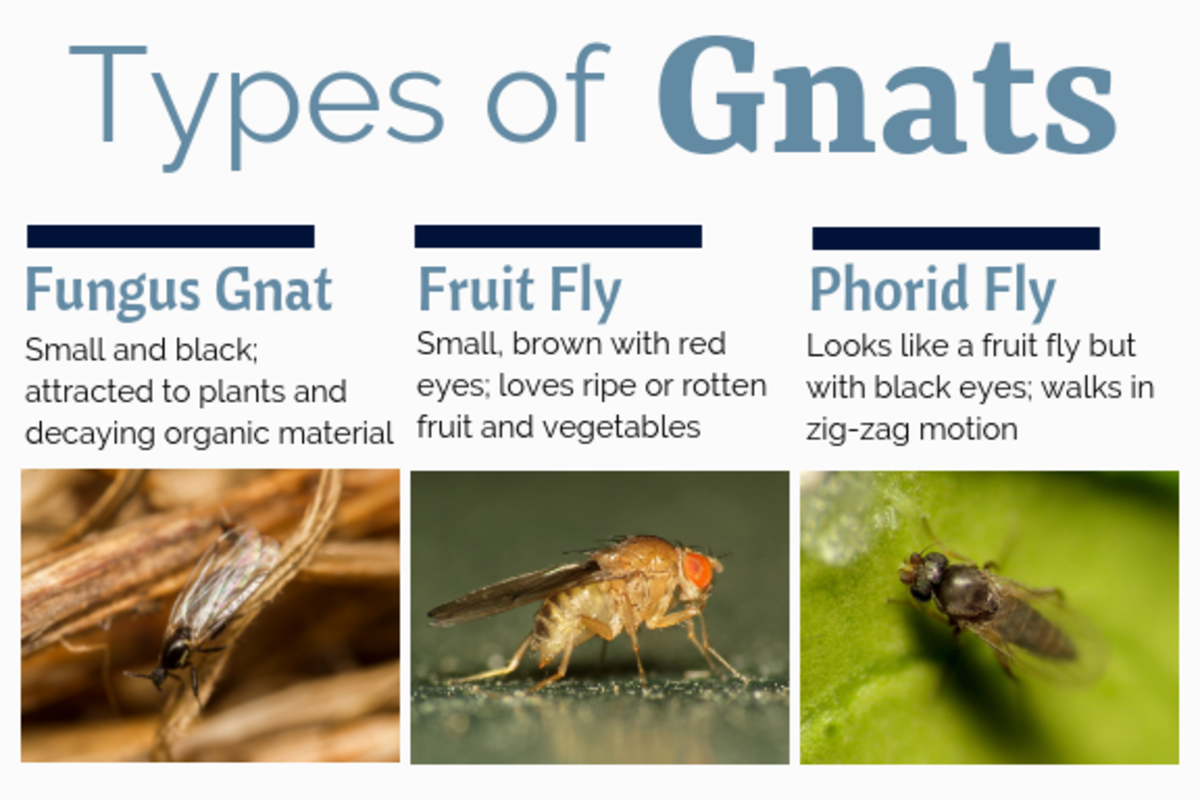
Instead, it’s a loose term for a number of different species of very small, flying insects. These flies lay their eggs in damp organic environments such as potting soil, pipe drains, or rotting produce. The reproduction cycle of fungus gnats, for example, only takes about 17 days, so one gnat can breed hundreds very quickly. They tend to swarm around sources of food and moisture including your fruit bowl, your drains, your houseplants, and even your body. But before you put on your gnat killer hat, it’s important to ensure the buzzing beasts you’re dealing with are, in fact, gnats. While we may categorize most minuscule flying insects as gnats, there are many different types of gnat-like insects that require different methods of extermination.
You could see drain flies, fruit flies, biting gnats, midges, or mosquitoes, all of which can be mistaken for gnats. When it comes to household gnats, the infestation is typically due to a source of organic material they're drawn to. First, it's essential to identify the specific pest in your home. Remember that traps and zappers only kill adult gnats, not eggs and larvae. Thus, if you have a lingering gnat infestation, a professional pest control company can help address it.


No comments:
Post a Comment